
Utility Trailer Towing Laws in Georgia: What Every Driver Needs to Know
If you haul equipment, furniture, or recreational gear with a utility trailer, knowing the trailer towing laws in Georgia isn’t just helpful—it’s essential. Whether you’re commuting across Atlanta or hauling down to...
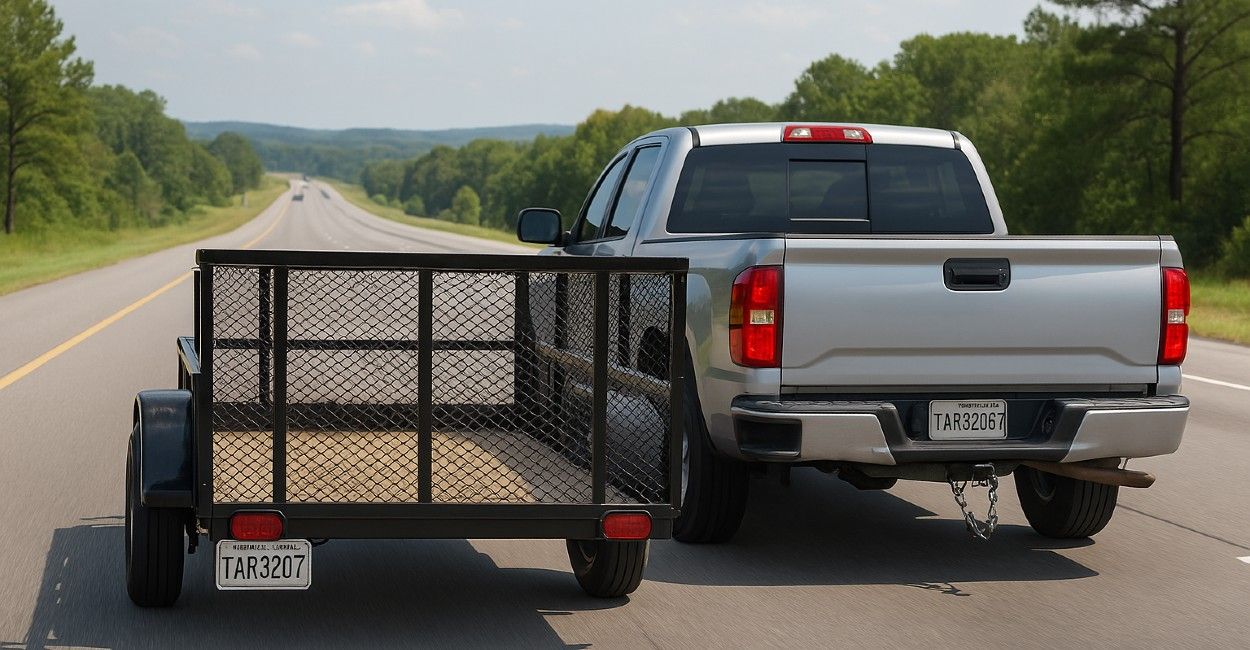
In Georgia, utility trailers operating on public roads must be registered with the Georgia Department of Revenue, and trailers with a GVWR of 3,000 pounds or more require both a title and independent brakes. Your trailer must also have working tail lights, brake lights, turn signals, and side reflectors visible from at least 500 feet. You cannot legally tow a trailer that exceeds your vehicle's manufacturer-rated towing capacity. Violations can result in fines, license points, insurance rate increases, or trailer impoundment.
If you haul equipment, furniture, or recreational gear with a utility trailer, knowing the trailer towing laws in Georgia isn’t just helpful—it’s essential. Whether you’re commuting across Atlanta or hauling down to Savannah, understanding the rules around utility trailer requirements in Georgia ensures you’re operating legally and safely on the road.
From registration and titling to equipment standards and parking rules, here’s everything Georgia drivers need to know before towing a trailer.
Trailer Registration and Title Requirements in Georgia
Before you hitch up and head out, make sure your utility trailer is properly registered with the Georgia Department of Revenue (DOR). All trailers operating on public roads must have:
- A valid license plate
- Proper registration documents
- A title if the trailer's Gross Vehicle Weight Rating (GVWR) is 3,000 pounds or more
You’ll need documents like a bill of sale, proof of ownership, and a valid Georgia driver’s license to complete the registration process.
💡 Tip: License plates must be mounted in a visible area at the rear of the trailer.
Towing Capacity and Equipment Regulations
Towing capacity is a major safety consideration. Georgia law prohibits towing a trailer that exceeds your vehicle’s manufacturer-rated towing capacity. Overloading can lead to poor braking, increased sway, and dangerous road situations.
Required Equipment for Utility Trailers in Georgia
To meet Georgia utility trailer requirements, your trailer must be equipped with:
- Working tail lights, brake lights, and turn signals
- Side reflectors for visibility at night or in poor weather
- Safety chains connecting the trailer to your tow vehicle
- A properly rated hitch and receiver system
- Brakes for trailers exceeding 3,000 lbs GVWR
All lights must function properly and be visible from at least 500 feet. Regular inspections are key.
Georgia Speed Limits for Towing
In Georgia, vehicles towing trailers must obey all posted speed limits, but should drive slower than typical traffic to account for the added weight and braking distance. Always reduce speed:
- On winding roads or steep grades
- In rainy or foggy conditions
- In construction or work zones
Maintaining a greater following distance and avoiding sudden lane changes also improves safety while towing.
Parking and Storage Laws for Trailers in Georgia
When you’re not towing, your trailer still needs a legal place to stay.
Georgia law says trailers cannot be parked in a way that obstructs public roads, sidewalks, or driveways. Many cities and counties have their own ordinances regarding overnight trailer parking.
Trailer Parking Best Practices
- Use private property or designated storage lots
- Avoid street parking overnight, especially in residential neighborhoods
- Check local city or county regulations to avoid surprise tickets or towing
Improperly stored trailers may face fines or impoundment.
Penalties for Violating Georgia Trailer Laws
Failing to comply with towing laws in Georgia can result in:
- Traffic citations or fines
- Points on your driver’s license
- Insurance rate increases
- Trailer impoundment
Even worse, if your trailer is improperly secured and causes an accident, you could face legal liability for damages or injuries.
Stay Safe and Legal with These Tips
Whether you own your trailer or rent one from a local service, follow these best practices:
- Verify your trailer registration and plate are current
- Inspect lights, brakes, and safety chains before every trip
- Know your vehicle’s towing limits
- Use wheel chocks and tie-downs when loading heavy equipment
- Park your trailer legally and securely when not in use
Conclusion: Know the Laws Before You Tow
Georgia’s trailer towing laws aren’t just about red tape—they’re designed to protect everyone on the road. Whether you’re a weekend DIY’er or a small business owner hauling tools and supplies, knowing the Georgia utility trailer towing laws ensures you avoid fines, prevent accidents, and enjoy a smooth ride.
Before you hitch up your next load, make sure your trailer meets Georgia's legal standards—because safe towing starts with being informed.
Frequently Asked Questions
Does my utility trailer need a title in Georgia?
When are trailer brakes required in Georgia?
What lights are required on a trailer in Georgia?
Can I park my trailer on the street overnight in Georgia?
What are the penalties for violating Georgia trailer towing laws?
Ready to haul?
Find the right trailer near you — or list yours and start earning.